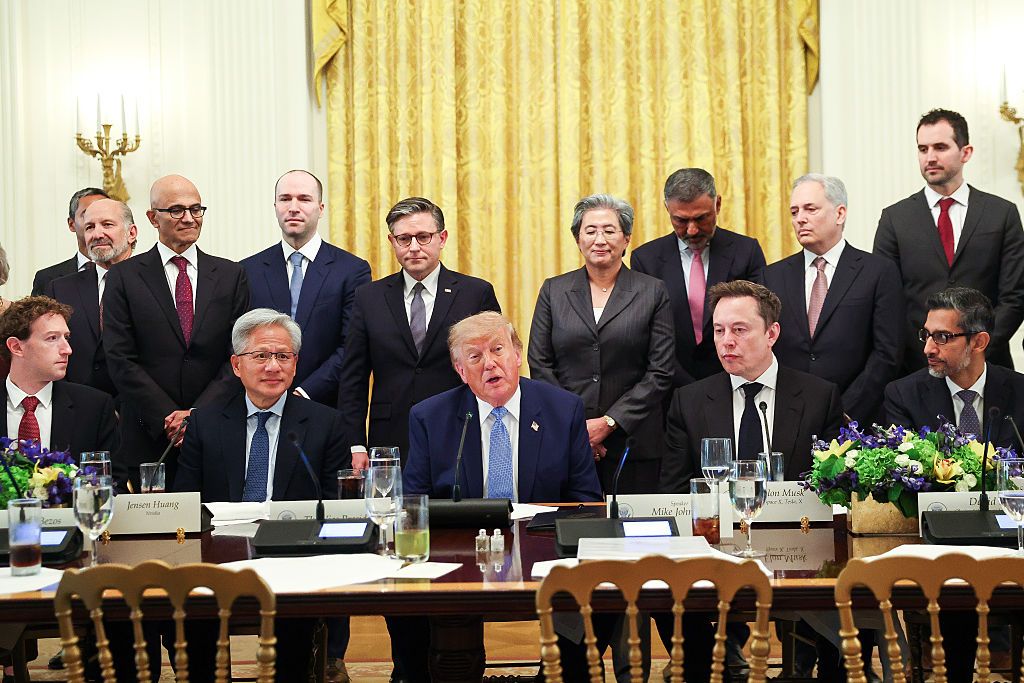
The White House has set up an AI task force called the "Super Intelligence Force", according to a Wall Street Journal report by Alex Leary, cited by Techmeme. AI czar Jay Clayton will chair the group.
The task force has a 120-day mandate to produce a report on the risks and opportunities of artificial intelligence, the report says. The move puts the White House at the centre of a policy debate that is moving faster than most existing rules.
What the AI task force is asked to do
According to the sources cited by Techmeme, the group's core job is a written report, due within 120 days, covering both the dangers and the chances AI creates. That is a short window for a subject that touches national security, jobs, health, education and the digital economy at the same time.
The report's framing matters as much as its content. By naming both risks and opportunities, the mandate signals that Washington wants to promote US AI leadership while acknowledging safety and security concerns, rather than choosing one side of that argument.
Jay Clayton and the politics of AI policy
Jay Clayton is described in the report as the White House's AI czar, which makes him the central figure in this round of policymaking. Chairs of task forces usually set the agenda, choose the witnesses and decide how quickly a document moves from draft to decision.
This is not a bill or a law: it is an executive-level review, so its concrete impact will depend on what the report recommends and what the White House does with it once the 120 days are up. Details such as who else sits on the force, how industry will be consulted and whether the report will be public have not been confirmed in the available sources.
The announcement lands in a crowded field. The US, the European Union and other governments are all working on AI rules at the same time, and major AI companies are watching closely because any framework can reshape how models are trained, released and sold.