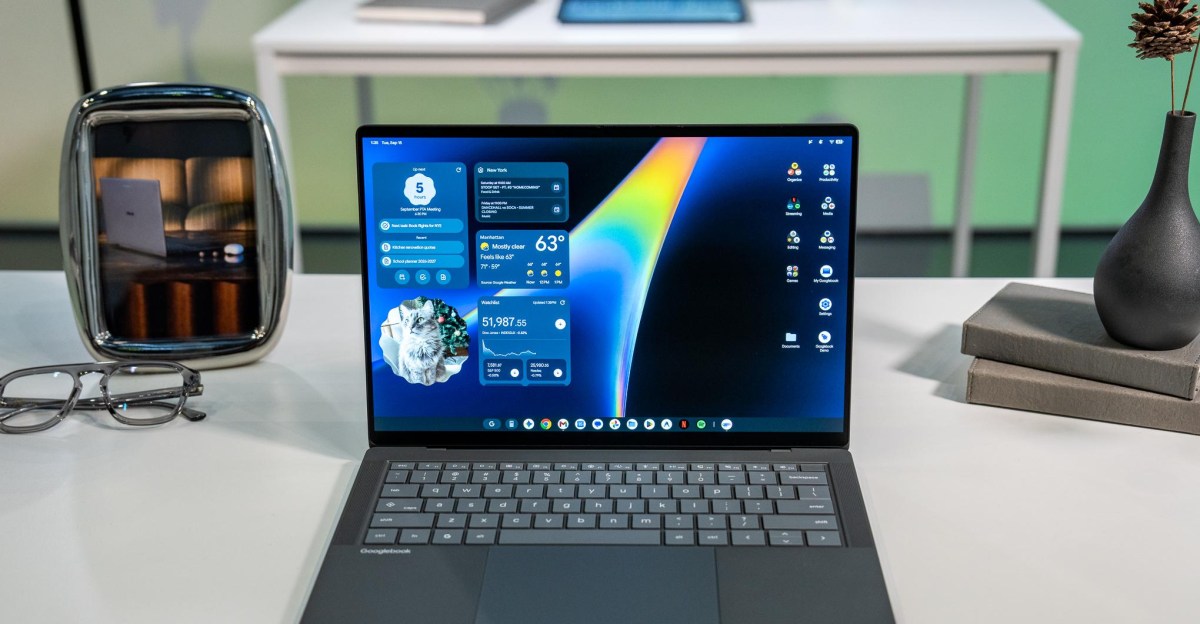
Google has admitted that not every Android app runs smoothly on its Intel-based Googlebooks, the new Android laptop category that went on sale today. The company told Android Authority that "a small handful" of complex apps and games may need extra work from developers to perform at their best on Intel hardware, as first reported by Engadget and The Verge.
The timing is awkward. Until now, Google has promoted Googlebooks as giving buyers access to the "entire Play Store library" of Android apps, plus smart links with Android phones and tablets. The acknowledgment landed the same day the first five Googlebook laptops hit shelves, and it affects the three models built on Intel chips.
Why Intel Googlebooks struggle with some Android apps
The root of the problem is architecture. Most Android apps are built for Arm chips, the same family used in smartphones. Intel Googlebooks run x86 processors, so they depend on a hardware translation layer to convert and execute Arm code. Google has said before that this conversion can reduce performance and battery life, though apps compiled specifically for x86 avoid those penalties.
This is why Google frames the issue as limited. In its statement, the company said the vast majority of Android apps run smoothly on both Intel and Qualcomm Googlebooks straight out of the box, and that it is working "hand-in-hand with app developers, Intel, and Qualcomm" to optimize performance and expand compatibility across the lineup.
Which Googlebooks are affected
Of the five Googlebook laptops now on sale, three use Intel hardware and two use Qualcomm's Arm-based chips. The split matters for buyers who care about app compatibility.
Google did not say how many apps have issues, nor which ones. That leaves buyers without a clear list, and it means early reviews and hands-on testing will be the fastest way to find out how big the gap really is.