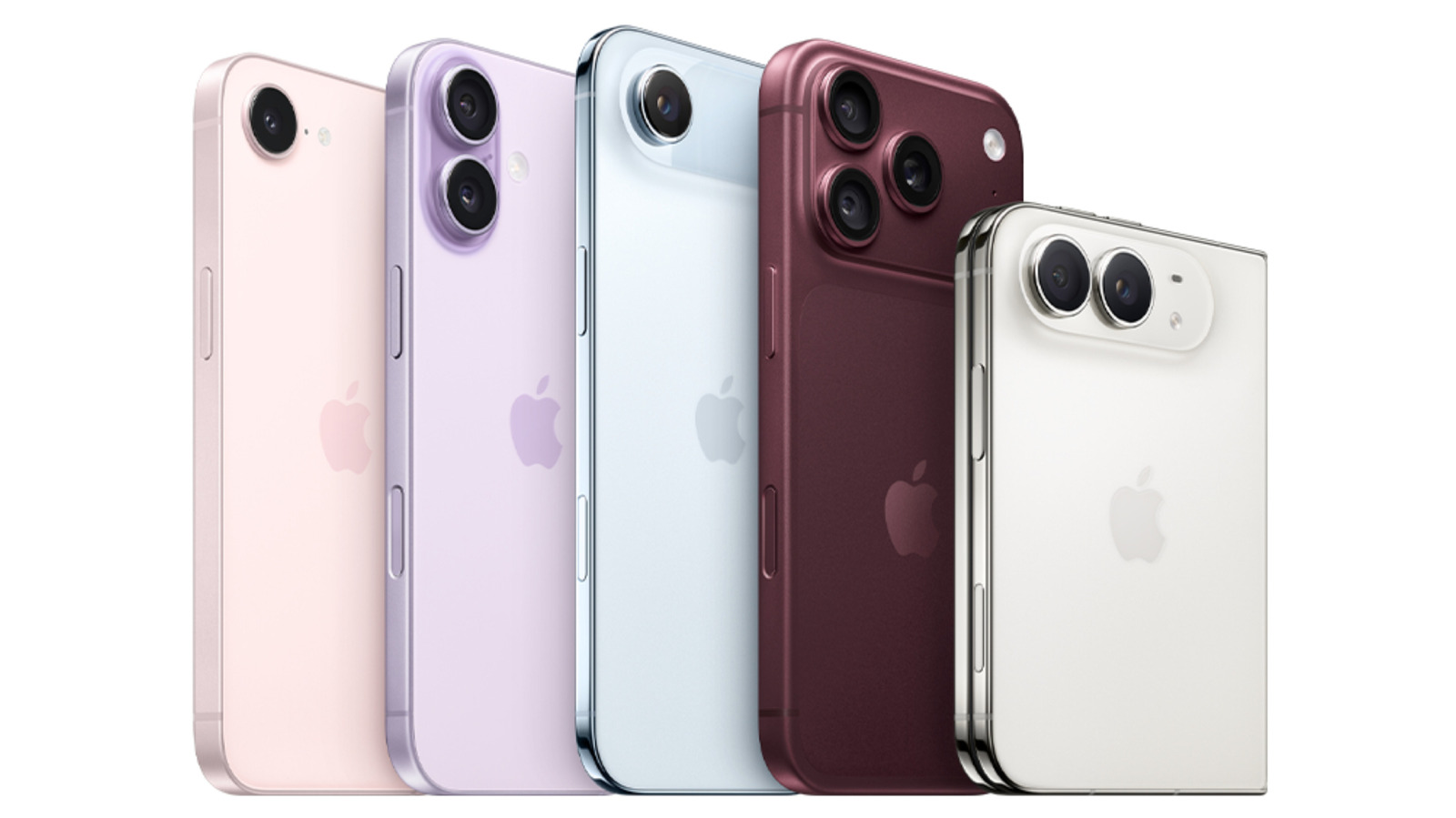
Apple's first foldable phone, the iPhone Duo, is winning attention for its matte-finish inner display and software rebuilt around that folding experience. But according to Engadget, switching to the Duo means giving up several Apple features that iPhone owners have taken for granted for years.
The Duo launched alongside the traditional iPhone 18 Pro, and the gap between the two is wider than design alone. Engadget reports that Apple could not fully overcome the trade-offs Android foldable makers have lived with for years, from durability to cameras. For some buyers the folding screen will be worth it; for others, the missing features will be a dealbreaker.
No Face ID on the iPhone Duo
The biggest loss, in Engadget's view, is the absence of a Face ID array. On the Duo you authenticate with fingerprints or passwords only, using a Touch ID sensor built into the power button, similar to Samsung foldables.
If you rely on Face ID for unlocking, payments and app logins, adjusting to a fingerprint sensor every time can become frustrating. Engadget notes that some users still prefer the tactility of a fingerprint reader, but for regular Face ID users this is the change they will feel most.
The cover display's selfie shooter also lacks the face-scanning hardware, so facial recognition is not available there either.
iPhone Duo cameras and Camera Control compromises
For a phone with so many cameras, the camera department is where the Duo gives up the most. There are three arrays: two lenses on the back, a Dynamic Island selfie camera on the front display and an under-display camera on the inner folding screen that Apple brands a FaceTime camera. Engadget reports that each is compromised compared with the iPhone 18 Pro.
The back carries two 48-megapixel wide and ultrawide modules, but no periscope telephoto lens. The mechanical aperture and LiDAR scanner of the iPhone 18 Pro are absent too. On software, the iPhone 18 Pro's new Pro Controls, ProRAW and spatial photo and video support do not appear on the Duo.